The median home value in Brockway sat at $128,375 as of June 2026, according to automated valuation data pulled that month. Pennsylvania's statewide median sale price for August 2026 came in at $327,636. That gap alone tells a buyer almost nothing useful. What matters more is what else happened in Brockway this year: a $5.2 million loan to rebuild the borough's water system, a former glass plant turned into a 100,000-square-foot distribution center that picked up a regional development award earlier this year, and a five-year strategic plan the borough spent the better part of a year building with the state's own downtown revitalization office. None of that shows up in a median price. Most of it shows up eventually.
A buyer scanning listings across Clearfield and Jefferson counties could reasonably read that price gap as decline. Old town, cheap houses, nothing happening. The housing stock backs up half of that read. The rest of the story is what's landing on top of it.
A Town Built Before Interstate Highways, Not Before Investment
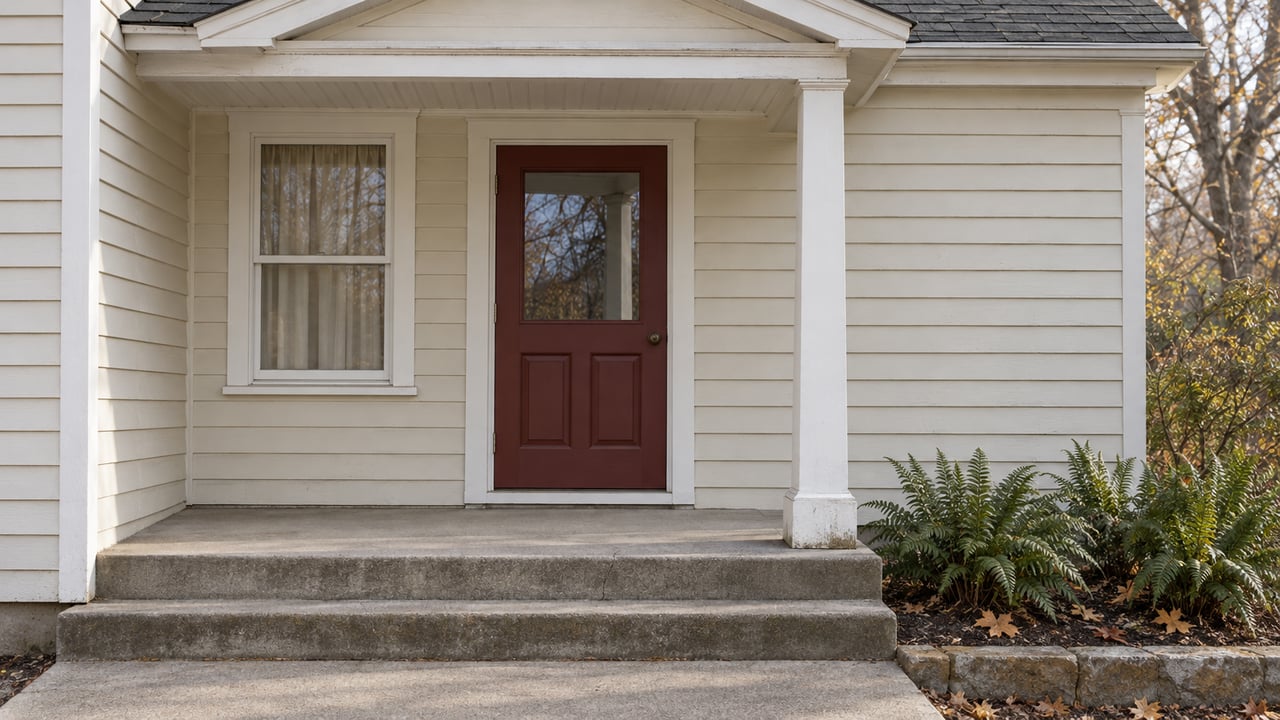
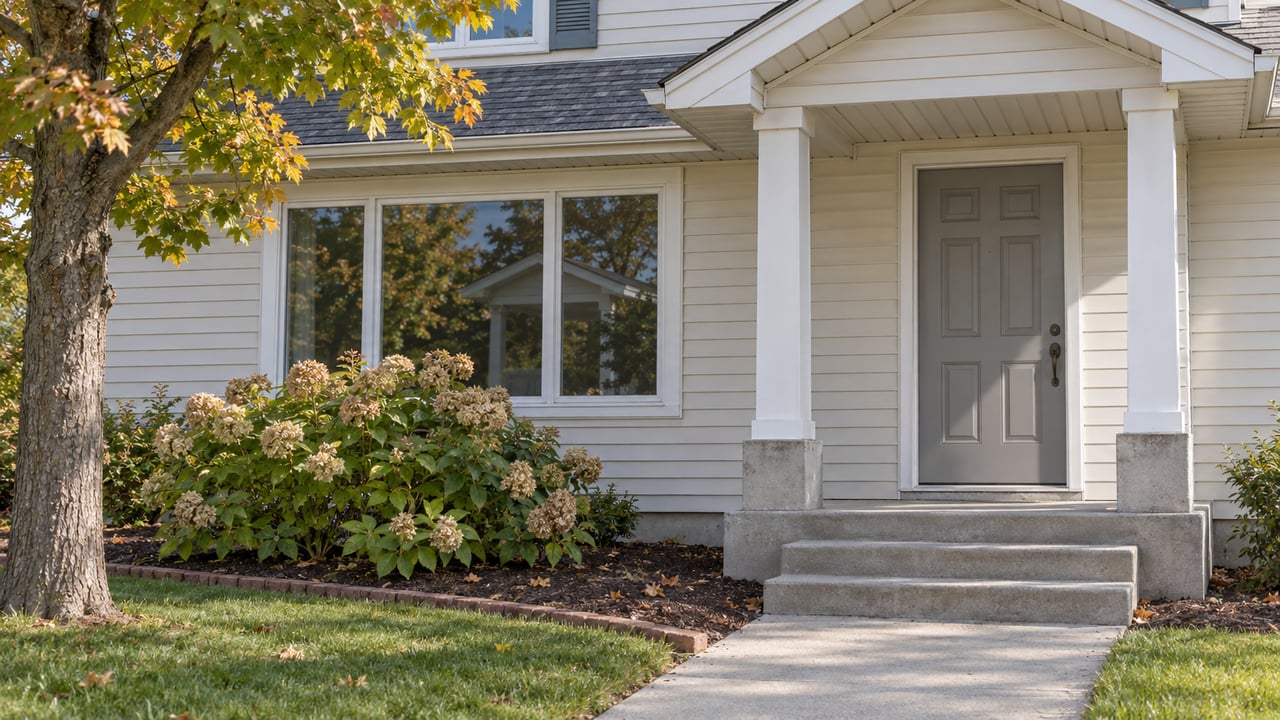
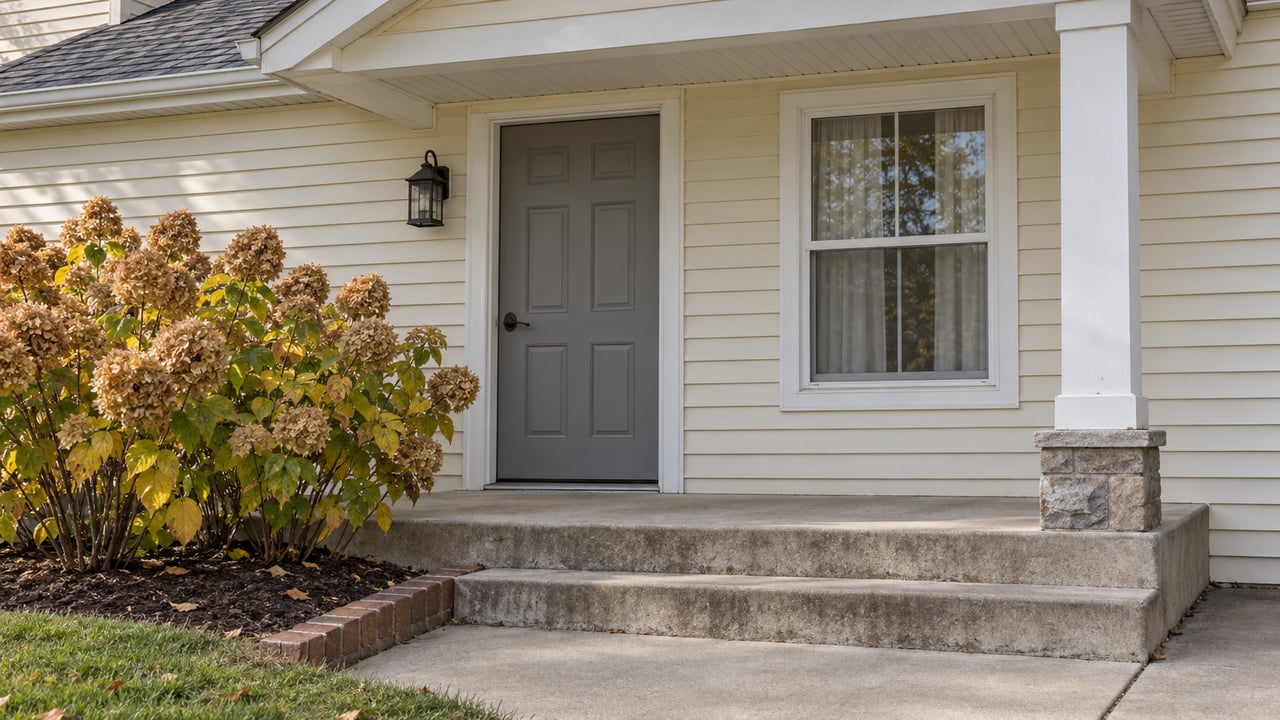
Just under 46 percent of homes in Brockway were built before 1939, based on Census figures compiled by NeighborhoodScout, putting the borough among the older housing stocks in the state. Another 35 percent went up between 1940 and 1969. Single-family detached homes make up about 72 percent of what's on the ground, mostly the three- and four-bedroom houses that filled in this part of Jefferson County while Brockway Glass Company was running full shifts.
Older framing, older wiring, older plumbing. That's the honest half of the low median. This is a genuinely older housing stock, and the price reflects age the same way it does in most small Pennsylvania boroughs with a 20th-century industrial backbone. For comparison, DuBois's 15801 zip code carried an average home value of $177,784 as of late May 2026, still well under the statewide figure but meaningfully above Brockway's number.
What that comparison misses is that the industrial backbone in Brockway didn't disappear. It got rebuilt, on the same ground the glass plant sat on for decades.
The Glass Plant Site Is Running Distribution Now
Developers Crossgates and Elmhurst Group took the roughly 20-acre, rail-served former Brockway Glass Plant site and converted it into a 100,000-square-foot distribution center built for logistics, electrical, and light industrial tenants. While construction was still underway, local electrical contractor Lighthouse Electric signed a lease, which led to approval of a second phase adding another 65,000 square feet of distribution space. A panel of commercial real estate professionals named the project, called Project Brockway, the winner of a CoStar Impact Award for redevelopment of the year in the Pittsburgh market, citing the difficulty of turning a long-dormant brownfield into a modern facility through a public-private partnership.
A brownfield sitting empty for years doesn't attract that kind of capital or that kind of professional recognition unless something about the underlying economics of the site, and by extension the town around it, checked out. That's not proof of a coming price jump. It's evidence that people who evaluate industrial real estate for a living looked at Brockway and put real money behind it before most retail buyers had any reason to notice.
Three Public Investments Landed In The Same Stretch
The distribution center wasn't the only thing moving.
- The water system got a $5.2 million rebuild. USDA Rural Development announced the loan to Brockway Borough Municipal Authority in May 2026, funding equipment and part replacements needed to bring the aging water plant into compliance with current Pennsylvania Department of Environmental Protection standards.
- A five-year strategic plan came out of an eight-month planning process. Starting in the fall of 2025, Discover Brockway worked with the Pennsylvania Downtown Center on an envisioning process that fed into a five-year strategic plan the borough unveiled this past June. The plan covers business development, beautification, pedestrian safety, outdoor recreation, and tourism, with specific projects under consideration including gateway signage, improved sidewalks and crosswalks, wayfinding signs, and trail improvements.
- Main Street got physically nicer while the paperwork was happening. Discover Brockway president Nancy Morrison told the borough council the group installed new benches along Main Street in May 2025, with two more on order, and the organization had proposed a Welcome to Brockway monument sign for the Brockway Ambulance property along Route 219, subject to grant approval.
Iris Quigley, who works with the Pennsylvania Downtown Center, described the plan this way when it was unveiled:
"This is not just Discover Brockway's vision. This is not just the borough's vision. This is really every single resident, every single organization can hopefully see how they played a part in this."
That kind of coordinated, funded planning process is not the sort of thing towns run when they've written themselves off.
The Appreciation Numbers Already Started Moving
Market data lags. It has to, because appraisals and comps take time to catch a shift once one starts. Based on appreciation figures NeighborhoodScout updated this spring, Brockway's numbers suggest the shift may already be underway.
| Time window | Appreciation rate |
|---|---|
| 10-year average annual | 5.35% |
| Latest 12 months | 6.60% |
| Latest quarter, annualized | 8.30% |
Over the past decade, Brockway's average annual appreciation ran lower than 70 percent of U.S. communities, a pattern consistent with a small, aging borough with limited new construction. The most recent 12-month window came in above that long-run average, and the most recent quarter, annualized, came in higher still. That's three data points moving in the same direction, in a market small enough that a handful of sales can move the number, which means the trend is worth watching rather than treating as settled. But it lines up with the timing of everything else. Construction on the distribution center's first phase was far enough along by early 2026 that the second phase had already been approved, meaning the capital commitment behind Project Brockway predates most of the public reporting on it.
What This Means If You're Comparing Brockway To DuBois Or Somewhere Else
A lower entry price in Brockway buys an older house, generally with the maintenance considerations that come with pre-1970 construction. That's a real tradeoff and worth budgeting for regardless of what else is happening in town. It is not, on its own, evidence of a market in decline.
What's different about Brockway right now compared to a town that's simply cheap is the combination of a fixed municipal cost, a completed industrial redevelopment, and a funded five-year plan coming together over a little more than a year. Buyers weighing Brockway against DuBois or another Jefferson or Clearfield County community are often comparing today's price against today's amenities, without pricing in what's already been committed but hasn't finished showing up.
One more data point worth knowing if property tax stability matters to your decision: the Brockway Area School District last raised taxes in 2019, and before that in 2016, with 20 years passing between increases before 2016. That's not a guarantee about the future, but it's a longer track record of tax stability than many small districts can point to, and it's a reasonable thing to weigh alongside a water system that's now being modernized with federal loan funds rather than local special assessments.
None of this means Brockway is about to look like DuBois or Treasure Lake. It means the gap between what the median price shows and what the town has already funded is wider than it looks from a listing search alone.
Does the age of Brockway's housing stock mean more inspection issues? Homes built before 1939 make up close to half of what's available, so budgeting for an inspection that specifically checks wiring, plumbing, and structural framing is a reasonable step no matter which house you're considering.
Is the water system upgrade going to show up on a homeowner's utility bill? The USDA loan funds capital improvements to the municipal authority's plant and equipment. Rate impacts, if any, would come through the municipal authority rather than through property taxes, and are a fair question to ask directly when you're evaluating a specific address.
If you're weighing Brockway against DuBois, Treasure Lake, or another Clearfield or Jefferson County community, Nelson Realty can walk you through what's currently on the market and what a free home valuation would show for a specific address in any of these towns.
This article is general information, not legal, tax or financial advice. Consult a qualified professional about your situation.