Looking for rental property in Clearfield County without getting pulled into big-city assumptions? This market plays by a different set of numbers. If you are thinking about a single-family rental here, you need a clear read on local rents, older housing stock, and Pennsylvania rules before you make an offer. Let’s dive in.
Why Clearfield County Stands Out
Clearfield County is a smaller, affordability-sensitive market. The Census estimates 78,132 residents in 2024, with 38,321 housing units, 32,518 households, and a 78.5% owner-occupied rate. Median gross rent is $791, and median household income is $62,152.
Those numbers matter because they point to a market driven more by steady local demand than by rapid growth. The county population is down 3.0% from the 2020 base, and new supply appears limited, with 75 building permits listed in 2025. For you as an investor, that means disciplined underwriting matters more than betting on fast appreciation.
What Single-Family Rental Demand Looks Like
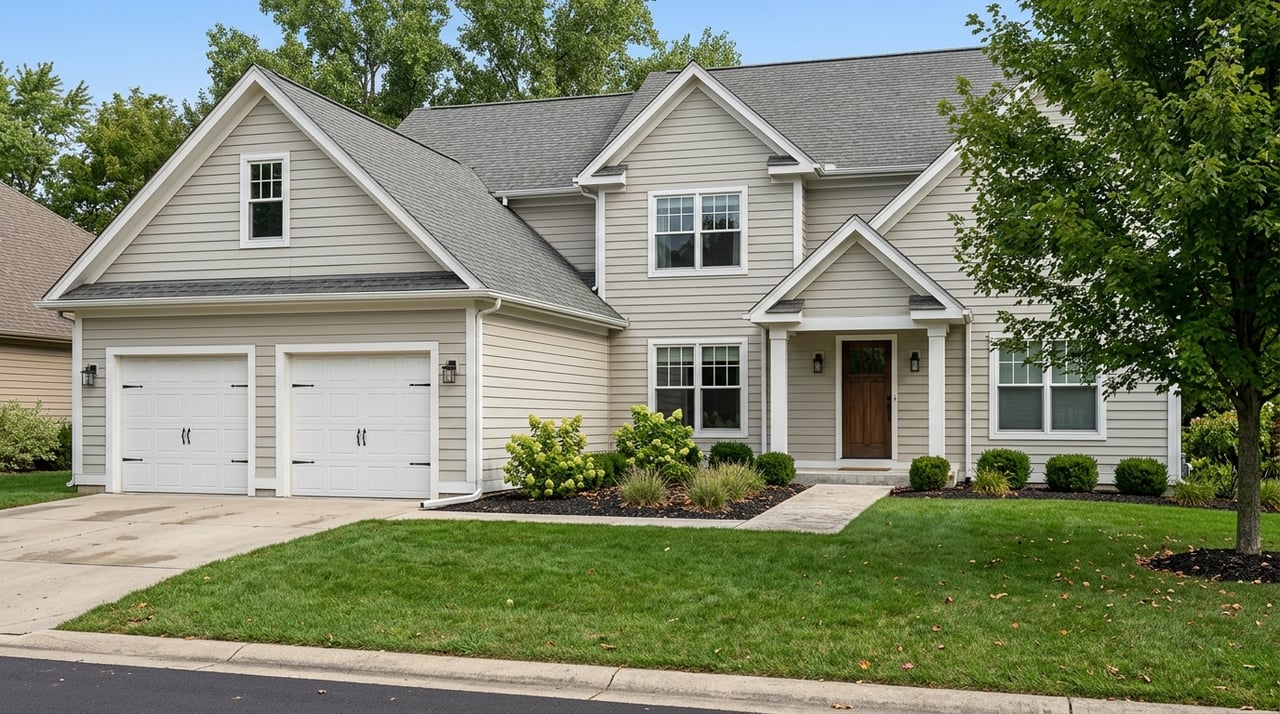
Single-family rentals already have a meaningful place in the county’s housing mix. A county housing market assessment found that 41% of renter-occupied structures were single detached homes. That is a useful signal if you are focused on detached houses rather than larger apartment assets.
The likely renter pool also looks different from what you might expect in a larger metro. Current demographics show an average household size of 2.28, with 17.8% of residents under 18 and 22.7% age 65 or older. In the county assessment, renter households were mostly one-person or two-person households, and 23.5% of renter householders were 65 or older.
That suggests a tenant base that may include small households, local workers, and older renters looking for practical housing options. In other words, your best opportunity may be a well-maintained home that fits everyday local budgets rather than a heavily upgraded property that depends on premium rents.
Older Homes Shape the Opportunity
If you are shopping for rentals in Clearfield County, older housing stock is part of the deal. The county assessment found that 36% of housing stock was built in 1939 or earlier, 37% was built from 1940 to 1979, 22% from 1980 to 1999, and only 5% in 2000 or later. The median year built was 1958.
That does not mean older homes are a bad investment. It means your numbers need to account for likely repair and update needs from the start. Roofs, windows, mechanical systems, layout issues, and deferred maintenance can all affect your renovation budget and your timeline to get the property rent-ready.
For many investors, this is where local market knowledge becomes especially valuable. In a county with older homes and modest rents, over-improving a property can hurt your return just as much as underestimating repairs.
Where to Start Your Property Search
Some parts of Clearfield County have a deeper housing base than others. The county assessment identified Sandy Township, DuBois City, Lawrence Township, and Clearfield Borough among the municipalities with the most housing units.
That makes those areas logical starting points when you want to research listings, compare asking rents, and study local inventory. More housing stock usually gives you more data points, which can help you judge value with greater confidence.
If you are trying to narrow your search, focus on locations where you can gather enough comparable properties to support your pricing assumptions. In a small market, that can make a major difference in how accurately you project cash flow.
How to Think About Rent Levels
The countywide median gross rent of $791 is the simplest benchmark, but it is only a starting point. It gives you broad county context, not a street-by-street answer. You still need current rental comps for the exact area and property type you are considering.
HUD’s FY2025 Pennsylvania Housing Trust Fund rent sheet also provides affordability benchmarks for Clearfield County. Under the 30% rent-limit column, the listed rents are:
- Studio: $443
- 1 bedroom: $475
- 2 bedroom: $570
- 3 bedroom: $658
- 4 bedroom: $733
- 5 bedroom: $810
- 6 bedroom: $885
These figures are not the same as open-market asking rents. They are better used as affordability reference points that help frame the lower and middle end of the local rent spectrum.
A Smart Rent Research Checklist
Before you buy, build your rent estimate from multiple sources instead of relying on one countywide number.
Use county data for context
Start with Census QuickFacts to understand the market’s affordability profile. Median rent, household income, owner-occupancy, and household size can help you judge what local renters are realistically able to support.
Use affordability benchmarks carefully
HUD rent limits can help you understand the lower and middle range of the county’s rent picture. They are useful guardrails, but they should not replace actual market comps.
Use current comps for pricing
For real pricing decisions, current MLS or property-manager comps matter most. Look at asking rent, any concessions, and how long similar homes stay on the market.
Use local analysis for nuance
Neighborhood-level differences matter in small markets. A local broker’s market analysis can help you understand why two similar homes in different boroughs or townships may perform differently.
Why Limited New Supply Matters
New construction appears limited in Clearfield County, with 75 building permits listed in 2025. In a market with modest supply growth, current inventory and local comps can matter more than broad predictions about future development.
For you, that means existing homes are likely to remain the main source of rental opportunities. It also reinforces the need to evaluate each property on its own merits, especially condition, location, and realistic rent potential.
Pennsylvania Rules Every Landlord Should Know
If you are considering a single-family rental in Clearfield County, Pennsylvania law sets the legal baseline. The Pennsylvania Landlord and Tenant Act of 1951 includes several rules that can directly affect your planning and property management approach.
Security deposit limits
The statute caps residential security deposits at two months’ rent during the first year of a lease and one month’s rent during the second and later years. After five years of tenancy, a rent increase does not require a matching increase in the security deposit.
Deposit handling and return
Under state law, qualifying escrow funds held more than two years are subject to interest-account rules. The statute also requires a written damage list within 30 days after termination or surrender and return of the balance of escrowed funds. If a landlord fails to comply, the law can limit withholding rights and may create double-damages exposure.
Notice to quit timing
For many lease terminations, the written notice to quit is 15 days for leases of one year or less or for indeterminate terms, and 30 days for leases longer than one year. For nonpayment of rent, the notice period is 15 days if given between April 1 and August 31, and 30 days if given between September 1 and March 31.
Local due diligence still matters
State law provides the baseline, but you should still verify the exact municipality for the property you are considering. Property-maintenance, occupancy, or registration rules may vary by municipality, so confirm local requirements before you finalize your numbers.
What a Strong Deal Often Looks Like Here
In Clearfield County, a promising single-family rental deal is often less about chasing aggressive rent growth and more about buying carefully. The market context points toward practical opportunities for investors who are comfortable with older detached homes, modest rent levels, and local demand.
A strong candidate may be a house with manageable update needs, a realistic rent target, and a location where you can verify comparable properties. The more your numbers reflect actual county conditions, the better your odds of creating stable cash flow.
How Nelson Realty Can Help
In a small-market area, local knowledge can help you move past guesswork. If you are exploring single-family rental opportunities in DuBois, Clearfield County, or nearby communities, it helps to work with a team that understands local inventory patterns, realistic pricing, and the differences from one municipality to the next.
Whether you are comparing detached homes, looking at multi-family and investment properties, or trying to get a clearer read on local value, Ed Nelson can help you evaluate opportunities with practical, hometown insight.
FAQs
What makes single-family rentals in Clearfield County different from larger markets?
- Clearfield County appears to be a smaller, affordability-sensitive market with modest rents, limited new supply, and a housing stock that includes many older homes, so careful underwriting is especially important.
What is the median rent in Clearfield County, PA?
- The countywide median gross rent is $791, which is a useful benchmark for context but not a substitute for current local rental comps.
What areas in Clearfield County may be good starting points for rental research?
- The county housing assessment identified Sandy Township, DuBois City, Lawrence Township, and Clearfield Borough among the municipalities with the most housing units, making them practical places to start your research.
What kind of tenants may rent single-family homes in Clearfield County?
- County data suggests the likely renter mix includes smaller households, local workers, and older renters, based on household size and age patterns.
What Pennsylvania security deposit rules apply to rental property owners?
- Pennsylvania law caps residential security deposits at two months’ rent in the first lease year and one month’s rent in the second and later years, with additional rules for long-held deposits and required return timelines.
Why does property condition matter so much for Clearfield County rentals?
- A large share of the county’s housing stock was built before 1980, so repair needs and renovation costs can play a major role in whether a rental property performs well.