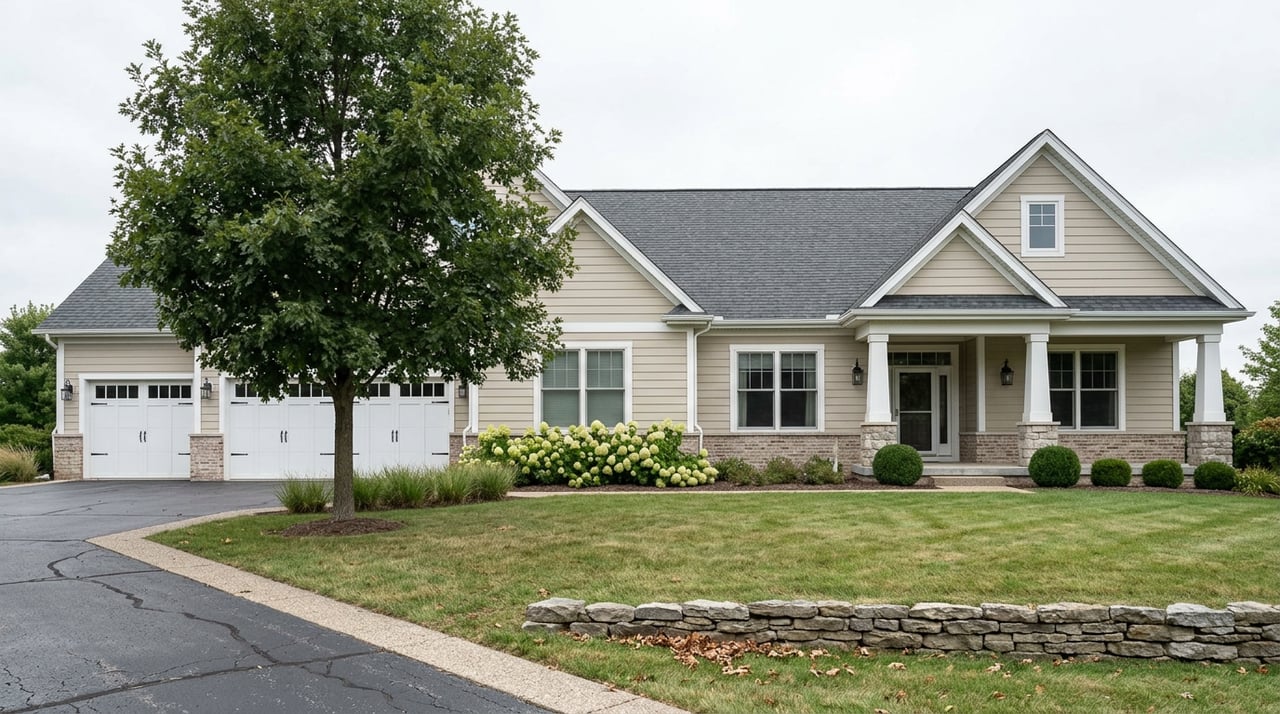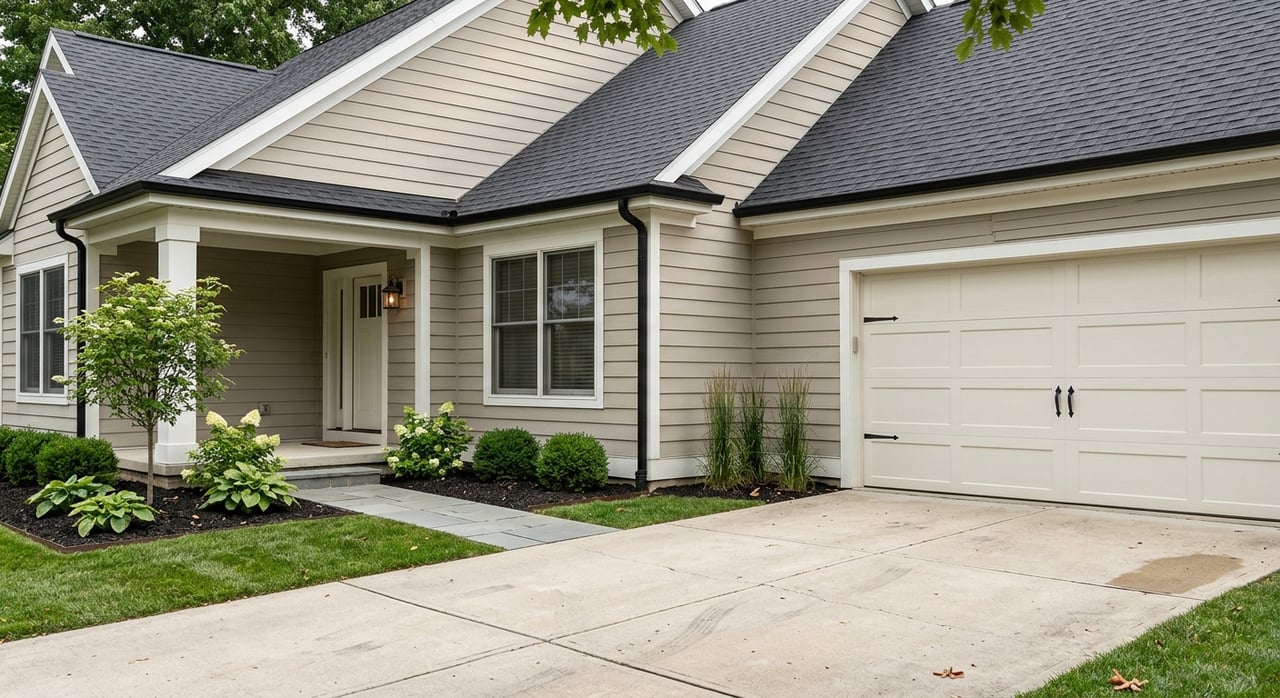
If you are thinking about buying in Treasure Lake, HOA rules and fees can shape your budget and your day-to-day experience just as much as the home itself. That is especially true in a private, gated community where amenities, roads, and security are part of ownership. This guide will help you understand what Treasure Lake HOA fees generally cover, what rules buyers ask about most, and what to verify before you close. Let’s dive in.
Treasure Lake HOA basics
Treasure Lake is described in official community materials as a private, gated residential and recreational development in Clearfield County with year-round services. Public information points to road and amenity maintenance, 24-hour gate security, and a range of shared recreational and social features.
For many buyers, one helpful detail is that membership is tied to ownership in the subdivision. The bylaws also state that there is no residency requirement for regular-member standing, which can matter if you are buying a second home or a seasonal property.
How Treasure Lake HOA fees work
According to the bylaws, the board sets the annual assessment each fiscal year based on proposed operating and capital budgets. Those assessments are invoiced and payable on or before May 1.
If assessments, fines, penalties, or other fees go unpaid, the bylaws allow for consequences after July 1. Those can include suspension of voting rights and restrictions on facility use, though access across roads owned or maintained by the association is preserved.
Special assessments are handled differently. The bylaws provide for them only after public hearings and an affirmative vote of at least six directors.
What buyers may pay each year
Public listing data from spring 2026 shows Treasure Lake HOA fees commonly around $117 to $123 per month, or about $1,400 to $1,475 per year. Public examples included annual figures such as $1,400 and $1,420, along with one listing that showed a $1,475 association fee.
That said, buyers should not assume every lot is billed in the exact same way or displayed in the same format. Some public sources show monthly amounts, while others show annual totals, so it is smart to verify the exact lot-specific amount with the seller and the association resale or estoppel paperwork before closing.
What the HOA appears to cover
Based on public community materials, Treasure Lake HOA spending is centered on shared infrastructure and community services. That includes roads, amenity maintenance, security, and community recreation and entertainment offerings.
Public materials also reference restaurants and sporting opportunities as part of the broader community experience. From a buyer’s perspective, the key takeaway is that HOA fees support shared services and common facilities, not all personal ownership costs tied to your individual property.
What you should still budget for
Even in a community with broad shared services, you should plan for ownership costs outside the HOA assessment. Public materials focus on what the association maintains, but they do not suggest that routine homeownership costs are fully absorbed by the HOA.
That means it is wise to budget separately for your home’s ongoing upkeep and to confirm any transfer, initiation, or special-assessment charges before closing. A Pennsylvania court decision involving Treasure Lake also reinforced that association maintenance fees can be collected from owners when authorized by the recorded restrictions supporting the community’s common facilities.
Rules buyers ask about most
HOA rules often matter most when they affect how you plan to use the property. In Treasure Lake, buyers frequently ask about amenities, guest access, boats, and property improvements.
Understanding these rules early can help you avoid surprises after settlement. It can also help you decide whether a certain home, lot, or lifestyle plan is the right fit.
Amenity access for owners and guests
Treasure Lake’s public amenity information says that the pools, beaches, and lakes are private and open only to property owners and their guests. It also states that guests must be accompanied by a property owner.
If you expect to host family or friends often, this is an important rule to understand in advance. It helps set expectations about how shared amenities are used within the community.
Boat registration rules
If lake access is one of the reasons you are considering Treasure Lake, pay close attention to the boating rules. Public amenity information says boats on Treasure Lake and Bimini Lake must be registered with both the state and the TLPOA.
The same materials state that only boats owned by property owners, or by renters with a lease of at least six months, may register. Public information also notes that Little Flipper Lake is a fishing pond for seniors and children only, and boating is prohibited there.
Exterior projects and approval
The bylaws establish a Property Control Committee that reviews plans and specifications for structures or improvements. The committee issues permits for construction, remodeling, reconstruction, additions, or alterations.
In practical terms, you should assume that projects such as decks, sheds, additions, and exterior remodels may require POA review before work begins. If you are buying a home because you plan to make changes right away, this is one of the first items to verify.
Are golf costs included in the HOA?
Many buyers ask whether golf is bundled into the annual HOA fee. Based on the public Treasure Lake golf pages, which separately list membership rates and green fees, you should not assume golf is fully included in the annual assessment unless the seller’s documents clearly say so.
That distinction matters when you compare overall ownership costs. If golf is part of your lifestyle plan, ask for current fee details during your due diligence.
Why verification matters before closing
Treasure Lake offers a distinct ownership experience, and that makes document review especially important. A gated, amenity-rich community often comes with more moving parts than a typical non-HOA purchase.
Before you buy, make sure you confirm:
- The current annual or monthly HOA amount for that specific property
- Whether there are any unpaid dues, fines, or penalties
- Whether any special assessments are pending
- Whether planned improvements will need approval
- Whether any amenity or boat-use rules affect how you want to use the property
- Whether golf or other optional features carry separate fees
These questions are not just paperwork details. They help you understand the true cost of ownership and whether the property fits the way you want to live.
A practical approach for Treasure Lake buyers
The best way to approach Treasure Lake HOA rules and fees is with clear expectations and property-specific verification. Public information gives you a strong starting point, but the final numbers and requirements should always be confirmed through the seller’s documents and association paperwork during the transaction.
That is where local market knowledge can make a real difference. When you work with a brokerage that knows Treasure Lake well, you are more likely to ask the right questions early, compare homes accurately, and move forward with confidence.
If you are exploring homes, lots, or waterfront property in Treasure Lake and want practical guidance on what to verify before you buy, reach out to Ed Nelson for straightforward local insight.
FAQs
What do Treasure Lake HOA fees generally cover?
- Public materials say Treasure Lake HOA spending focuses on shared services and common facilities such as roads, amenity maintenance, security, and community recreation and entertainment offerings.
When are Treasure Lake HOA dues due?
- The bylaws say annual assessments are invoiced and payable on or before May 1.
What happens if Treasure Lake HOA dues are not paid?
- The bylaws state that after July 1, unpaid assessments, fines, penalties, or other fees can lead to suspension of voting rights and restriction of facility use.
Can you own a second home in Treasure Lake and still remain a member in good standing?
- Yes. The bylaws say there is no residency requirement within Treasure Lake for regular-member standing.
Do Treasure Lake HOA fees include golf?
- You should not assume that they do. Public golf pages list membership rates and green fees separately, so buyers should verify the details with the seller’s documents.
Can Treasure Lake property owners bring guests to the lakes, beaches, and pools?
- Yes, according to public amenity information, but guests must be accompanied by a property owner.
Do boats in Treasure Lake need to be registered?
- Yes. Public amenity information says boats on Treasure Lake and Bimini Lake must be registered with the state and with the TLPOA.
Do home improvements in Treasure Lake need HOA approval?
- The bylaws create a Property Control Committee that reviews plans for structures and improvements, so projects like additions, decks, sheds, and exterior alterations may need review before work begins.